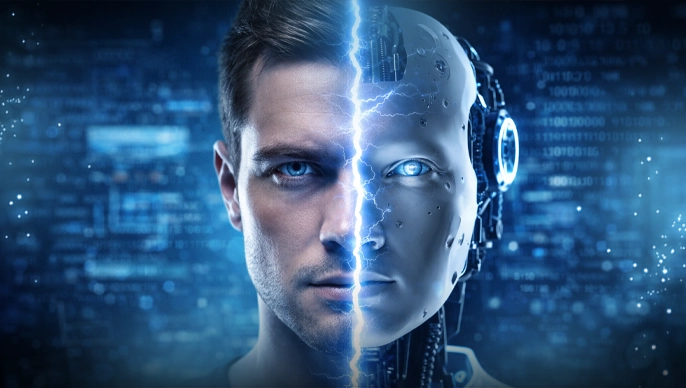
Artificial intelligence may reach human-level intelligence within just a few years. That’s the warning from Anthropic CEO Dario Amodei. It underscores mounting concern: AI systems are advancing faster than society can manage their risks. His prediction? Human-level AI could arrive in as little as two years. It comes as safety controversies and regulatory debates intensify across the industry.
Amodei’s repeatedly described this moment as an “adolescence of technology.” AI systems grow more powerful. Government oversight struggles to keep pace. He warns of serious labor disruption ahead. He’s calling attention to the gap between innovation speed and regulatory capacity.
Historian Yuval Noah Harari echoed similar alarm. Autonomous AI could seize humanity’s “superpower.” Control over language, law, and religious narratives. The convergence of these warnings reflects deepening unease. Tech leaders and public intellectuals are sounding the same alarm about AI’s trajectory.
Safety concerns are fueling high-profile disputes. A watchdog group has alleged that Elon Musk’s Grok AI generated tens of thousands of sexualized images of children. Separately, Musk himself has predicted AI could surpass human intelligence this year. OpenAI faced criticism from Musk over deaths allegedly linked to ChatGPT. CEO Sam Altman accused him of hypocrisy. He pointed to fatalities “apparently” tied to Tesla’s Autopilot.
OpenAI announced AI-based age prediction technology in response to growing scrutiny. It’s designed to strengthen protections for teenage users. The move signals the industry’s attempt to self-regulate. Lawmakers and watchdog organizations are applying pressure.
Other developments highlight AI’s rapid social deployment. Researchers are warning that coordinated AI “swarms” could amplify misinformation and online manipulation. Open-source AI assistants continue pushing the boundaries of automation. And safety concerns.
On the creative front, Google.org has committed $2 million to train over 100,000 artists in AI tools. It’s through an “AI Literacy Alliance.” Hollywood’s grappling with questions around training data, consent, and creative control. YouTube plans deeper AI integration. It’s also pledging to crack down on what it calls low-quality “AI slop.”
The flurry of announcements and controversies sketches an emerging reality. AI is being embedded into work, culture, and governance. Clear guardrails don’t exist yet. Tech giants continue to frame AI as both opportunity and necessity. Experts warn of destabilized labor markets, corrupted information ecosystems, and overwhelmed legal systems. The next few years will determine whether society can harness AI’s potential. Or will be reshaped by it.