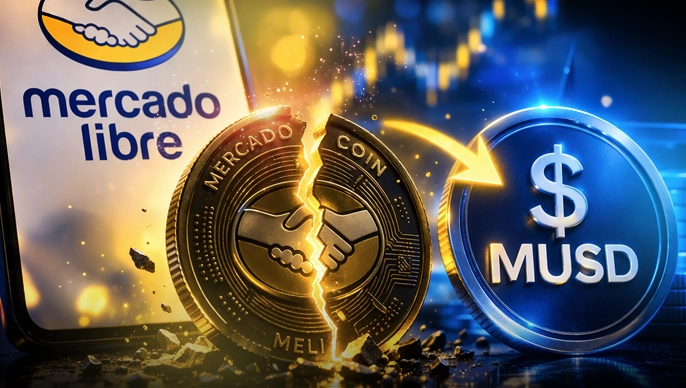

Mercado Libre is pulling the plug on Mercado Coin. The Ethereum-based loyalty cryptocurrency launched in 2022. It never gained traction.
The Latin American e-commerce giant told users via its Mercado Pago wallet. The ERC-20 token will cease functioning on April 17. Holders can sell the token in-app. They can spend it as store credit. Or they can let it convert automatically into local fiat currency.
The company built Mercado Coin with crypto exchange Ripio. It was supposed to reward shoppers with tradeable tokens. The project expanded regionally. But it never evolved beyond functioning like volatile loyalty points. It fell short of becoming a meaningful payment or rewards tool across Mercado Libre’s large Latin American footprint.
Mercado Libre offered no public explanation for the shutdown. It hasn’t responded to media inquiries about the decision. The quiet wind-down underscores how far the experiment fell from its original ambitions.
The company isn’t abandoning crypto entirely. It’s pivoting to stability.
Mercado Libre launched MeliDolar (MUSD) in 2024. Also with Ripio. It’s a dollar-pegged stablecoin backed by U.S. Treasuries and dollar deposits. The stablecoin is integrated into the Meli Plus loyalty program. It offers cashback that users can spend. They can hold it as a hedge against local currency devaluation. Or sell without fees. The approach appears particularly suited to inflation-prone markets like Brazil and Mexico. Dollar-denominated assets serve as a financial refuge there.
The Mercado Coin shutdown mirrors a similar failure at Brazilian neobank Nubank. Nubank launched Nucoin as a Polygon-based rewards token in 2023. That experiment ended badly. Nucoin plunged 97% in value. Nubank halted trading in 2024. It gave roughly 16 million affected customers 90 days to convert holdings to Bitcoin or USDC before shuttering the program entirely. The bank offered only a prize campaign to soften the blow.
The twin failures highlight a broader lesson for consumer-facing crypto projects. Speculative loyalty tokens struggle to deliver stable value or real utility at scale. Volatile tokens that fluctuate in price offer neither reliable purchasing power nor the inflation protection that many Latin American users need.
Mercado Libre still holds Bitcoin on its balance sheet. It supports crypto trading through its platform. But the pivot from Mercado Coin to MeliDolar signals where the company sees the future. For large consumer platforms operating in emerging markets, stable and regulated instruments appear to be the viable path forward. That’s for integrating crypto into everyday financial life. Not the speculative tokens that defined earlier experiments in the space.