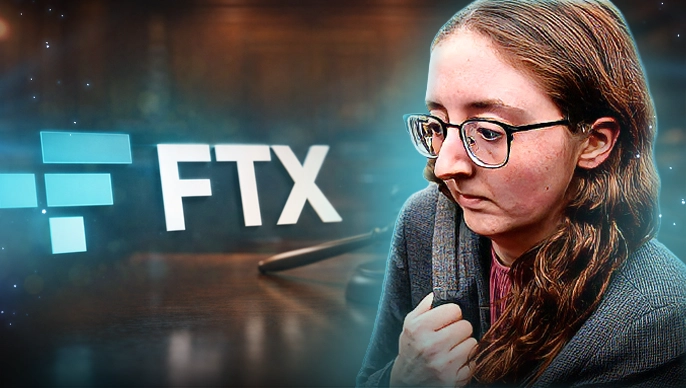
Caroline Ellison, the former CEO of Alameda Research, has been released from custody yesterday. She served 440 days in federal detention. The charge: her role in the FTX cryptocurrency exchange collapse.
Ellison cooperated extensively with federal prosecutors. That cooperation paid off. She benefited from good-conduct credits that shortened her two-year sentence, according to the Department of Justice. Her release marks a significant milestone in the legal fallout from one of crypto’s most spectacular failures.
FTX collapsed in 2022. Liquidity issues. Allegations of widespread fraud. Ellison faced charges of fraud and money laundering. She pleaded guilty and accepted a plea deal. The result: a reduced sentence. She spent part of her time in a reentry facility rather than a traditional prison. The SEC also charged Ellison and other FTX executives with fraud and securities violations.
Her early release stands in stark contrast to Sam Bankman-Fried’s fate. FTX’s former CEO got 25 years. He remains in federal custody. The difference? Prosecutors valued Ellison’s cooperation during the investigation and subsequent trials.
The FTX collapse sent shockwaves through the cryptocurrency industry in 2022. Authorities described it as a massive fraud. Customers and investors lost billions. The exchange’s downfall revealed significant gaps in regulatory oversight. It raised questions about governance practices across the crypto sector.
Ellison and other convicted executives face substantial restrictions going forward. They’re prohibited from holding leadership positions in cryptocurrency companies. These measures underscore regulators’ efforts to prevent similar failures. To protect market participants from fraud.
The case continues to influence how authorities approach cryptocurrency regulation and enforcement. The industry’s maturing. The legal outcomes from the FTX collapse serve as a cautionary tale. Transparency matters. Proper financial controls matter. Ethical leadership in digital asset markets matters. Ellison’s release closes one chapter of this saga. The broader implications for crypto governance and regulatory standards continue to unfold.