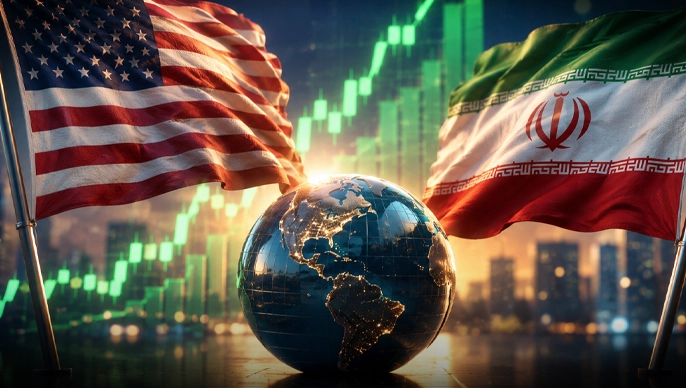
Global markets rallied on speculation that US-Iran tensions may be easing. That could clear the path for oil shipments through the Strait of Hormuz. US stock futures held firm after the S&P 500 notched record highs for two consecutive sessions. Brent crude extended losses. The dollar weakened.
Brent crude fell for a third day to trade around $98 a barrel. That caps a sharp 12% decline over the previous two sessions. The drop reflects growing investor confidence. Geopolitical risk premiums may be overstated. Energy flows through the critical Middle East waterway could stabilize. The Strait of Hormuz serves as a vital route for global energy shipments. Any disruption there typically sends shockwaves through commodity markets.
The dollar was on track for its worst week in a month. Global bonds continued their advance. Market observers linked the bond rally to easing inflation pressures. The recent pullback in oil prices likely supports that. Together, these cross-asset moves suggest traders are pricing in lower conflict risk. They’re also pricing in reduced near-term price pressures across the global economy.
A US-Iran agreement could materialize. The most immediate impact? More stable energy markets. Diminished inflation concerns. That scenario would support equities. They’ve already been testing new highs. Bonds become more attractive as pricing pressures cool. Falling oil prices and reduced geopolitical uncertainty could give central banks more breathing room on monetary policy decisions.
JPMorgan analysts noted that technology shares may remain resilient even in a higher-rate environment. Investors still see room for risk assets to perform. Middle East tensions need to continue fading. That view reflects broader confidence. Markets can sustain recent gains. Geopolitical headwinds just need to diminish.
The market movements remain largely speculative. No official government announcements have emerged. No confirmed reports of a peace deal exist. Investors appear to be positioning ahead of potential developments. They’re not reacting to concrete diplomatic breakthroughs. Still, the coordinated shift across stocks, bonds, commodities, and currencies indicates something. Traders are taking the possibility seriously enough to adjust portfolios accordingly.