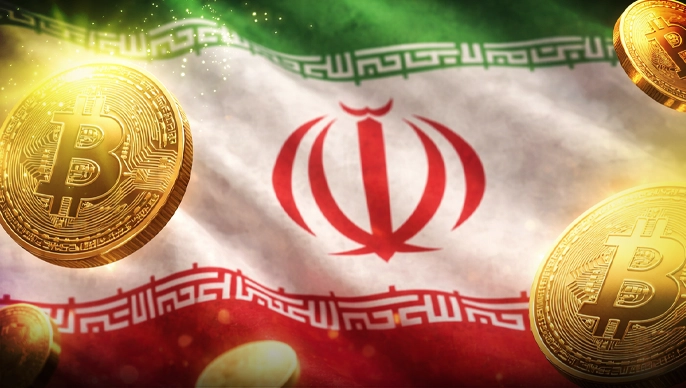
Iran moved over $3 billion through cryptocurrency networks in 2025. The goal: evade international sanctions and fund military operations. That’s according to Chainalysis’ 2026 Crypto Crime Report.
The transactions were largely linked to Islamic Revolutionary Guard Corps (IRGC) networks. They represent a significant chunk of Iran’s total crypto market. The blockchain analytics firm valued that market at $7.48 billion for the year.
The Iranian activity sits within a dramatic global surge. Illicit cryptocurrency flows exploded. Chainalysis estimates that illicit crypto addresses received at least $154 billion in 2025. That’s a 162% increase from the previous year.
Over $104 billion of these transactions connected to sanctioned entities. Nation-states facing economic isolation are turning to digital assets. They’re bypassing traditional financial systems.
“Sanctions are pushing states like Iran, Russia, and North Korea deeper into crypto-based shadow finance,” Chainalysis concludes in the report.
Russia’s stablecoin A7A5 exemplifies the scale. It handled $93.3 billion in transactions during 2025, according to the report. North Korean hackers stole over $2 billion in cryptocurrency throughout the year. They contributed to the illicit activity surge.
The Iranian crypto operations appear focused on two things. Facilitating oil sales. Funding military activities. This comes amid intensifying geopolitical tensions and internal pressures.
Bitcoin’s price fluctuated between $63,100 and $74,000 during periods of heightened tensions involving Iran. Markets are sensitive to geopolitical risk involving sanctioned nations.
The findings highlight something important. Blockchain technologies are being deployed with increasing sophistication. They’re obscuring financial flows. That creates mounting challenges for global regulators and law enforcement agencies. They’re attempting to track illicit transactions.
The report suggests traditional financial controls are tightening around sanctioned regimes. Cryptocurrency infrastructure becomes more deeply embedded in strategic state financing operations.
The trend underscores a fundamental tension. Cryptocurrency’s role in global finance cuts both ways. Proponents emphasize its potential for financial inclusion and innovation. Sanctioned states are simultaneously leveraging the same characteristics. They’re circumventing international enforcement mechanisms. Those mechanisms were designed to limit their economic and military capabilities.