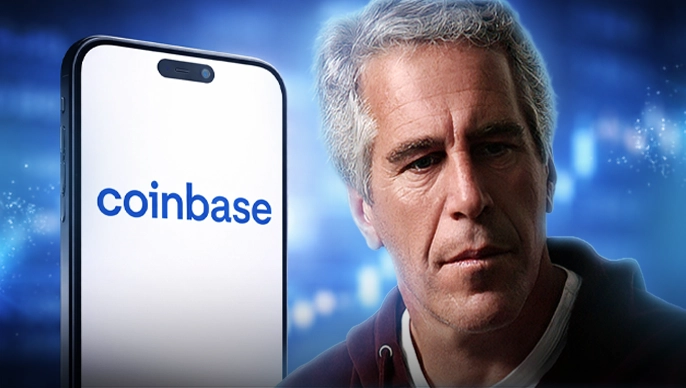
Jeffrey Epstein invested $3 million in Coinbase back in December 2014. The disgraced financier and convicted sex offender got in early. Really early.
Department of Justice emails confirm the investment. Coinbase is now worth $51 billion. Epstein’s stake? Gone before his death in 2019. But not before it made him serious money.
The investment went through Blockchain Capital. Brock Pierce led the firm. He’s a big name in early crypto. Coinbase’s valuation at the time: $400 million.
By 2018, Epstein had cashed out half his position. The sale brought in nearly $15 million. That’s a five-fold return in under four years.
The DOJ emails reveal more. Coinbase co-founder Fred Ehrsam knew about Epstein. He reportedly wanted to meet him. LinkedIn co-founder Reid Hoffman also appears in the correspondence. His take on the investment round? He “probably wouldn’t play.”
This sheds light on crypto’s early funding practices. Oversight was minimal. Due diligence? Questionable. In 2014, Coinbase was still building itself as a retail exchange. The company wouldn’t go public until April 2021. At its peak, it hit an $85 billion valuation.
No one’s talking. Coinbase hasn’t commented. Neither has Ehrsam, Pierce, or Blockchain Capital. The silence raises questions. What did investor screening look like back then? Did it exist at all?
Epstein’s stake isn’t unique. Early crypto attracted money from all kinds of sources. Some wouldn’t pass today’s standards. Not even close. The industry’s changed since then. Transparency matters now. Regulatory compliance matters. Institutional investors demand it.
The timing’s awkward. Crypto companies face mounting pressure to prove they’re legit. Robust compliance frameworks. Ethical business practices. The whole package.
Coinbase has positioned itself as the regulated option. The mainstream gateway to crypto. This connection to Epstein—however indirect—doesn’t help that story. It’s historical. It’s distant. But it’s there.
The company hasn’t said whether it ran background checks on indirect investors. It hasn’t explained its current screening policies either. Those questions remain open.